Core Features
No Moving Parts & Rugged Durability
Unlike HDDs, SSDs have no spinning disks or mechanical heads. This makes them far more resistant to shock and vibration, which is critical in industrial, mobile, and dense server environments .
High-Speed Performance
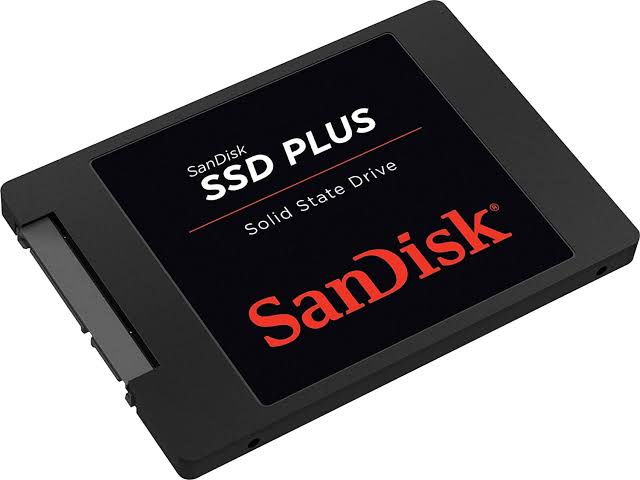
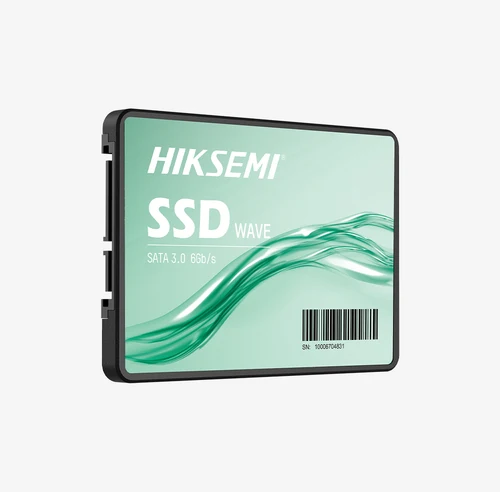
Most 2.5-inch SSDs use the
SATA III (6Gb/s) interface, delivering sequential read speeds up to
550–560 MB/s and write speeds around
500–510 MB/s . This is roughly 4x faster than a traditional HDD, resulting in faster boot times, application launches, and data transfers .
Multiple Endurance Classes
Enterprise SSDs are typically binned by workload intensity:- Read Intensive (RI): Best for read-heavy tasks like web servers and boot drives .
- Mixed Use (MU): Designed for a balance of reads and writes, suitable for mainstream server workloads .
- Value Endurance (VE): Cost-effective option for lighter workloads .
Advanced Data Protection
Enterprise 2.5-inch SSDs include technologies to ensure data integrity and prolong drive life:
- LDPC ECC: Low-Density Parity-Check error correction for data accuracy .
- Power Loss Protection (PLP): Prevents data loss during unexpected power failures .
- Wear Leveling: Distributes writes evenly across flash cells to maximize endurance .
- TRIM & S.M.A.R.T.: Maintains performance and monitors drive health .
Multiple Interface Options
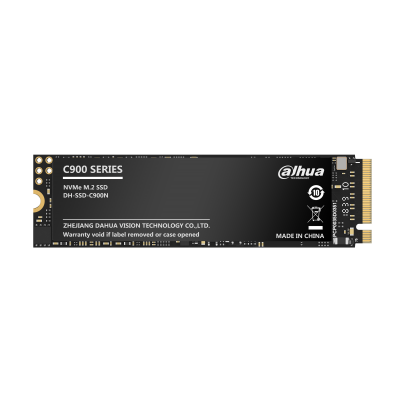
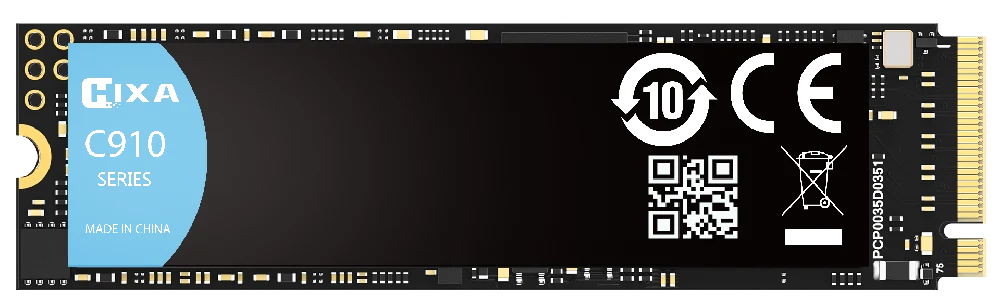
While most 2.5-inch SSDs use SATA, enterprise servers also offer
NVMe variants that connect via PCIe for significantly higher throughput . The interface must match your server's backplane.