KSh 790(KSh 916 Incl VAT)
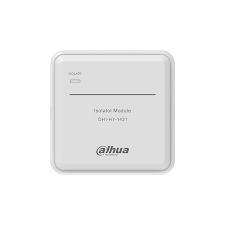
Device Type: Addressable Short Circuit Isolator Module (Fire Alarm Loop Accessory)
Model / SKU: DHI-HY-1431 (family includes DHI-HY-1431-CTXF and DHI-HY-1431B-CTXF variants)
Function: Monitors the addressable fire alarm loop and automatically isolates a faulty section when a short circuit occurs, allowing the rest of the loop to remain operational; restores the isolated section automatically once the fault is cleared.
Addressing: Electrical encoder; address range 1–254
Wiring: Two-wire, polarity-free
Communication Distance: ≤ 1500 m
Maximum Devices Between Isolators: 32
Working Voltage: 24V DC
Current Ratings: Monitoring current ≤ 150 μA; Alarm current ≤ 8 mA; Short-circuit current 450 mA
Indicator: Red LED — flashes once every 6 seconds during polling, flashes once every 2 seconds during malfunction, and remains lit during a short circuit
Physical & Installation: Plug-in structure for simple installation; dimensions 90 mm × 90 mm × 37 mm (with base); weight 107 g; white housing. Recommended for installation in electrical wells or modular boxes within fire compartments.
Operating Environment: Operating temperature –10°C to +55°C; storage temperature –20°C to +65°C; humidity ≤ 95% RH (no condensation)
Compliance: EN54-17 (standard model); GB16806-2006 (B variant)
Key Specs: Dahua DHI-HY-1431 addressable isolator module, 24V DC, two-wire polarity-free wiring, address range 1–254, communication distance ≤1500 m, max 32 devices between isolators, 450 mA short-circuit current, LED status indication, 90×90×37 mm plug-in housing, EN54-17 compliant
Usage: Protecting addressable fire alarm loops in commercial and industrial buildings from the effects of short circuits; isolating faulty cable sections so that detectors and modules on the rest of the loop continue to operate; reducing fault-finding time by reporting the exact section between isolators where the fault occurred. Suitable for long loops, multi-floor buildings, production areas with exposed cabling, and facilities with high fire-system survivability requirements.